
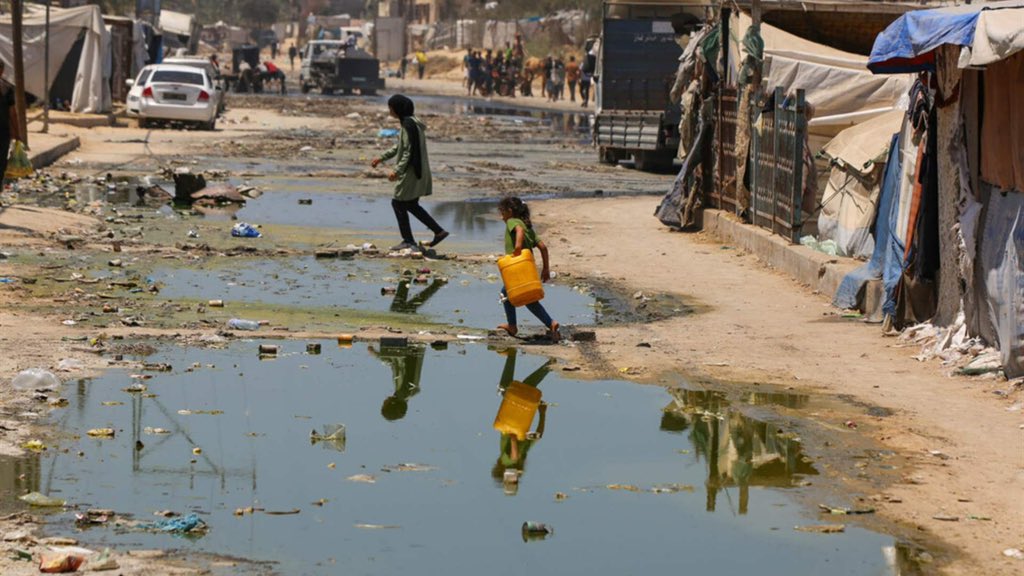
"Gaza children endure the worst living conditions due to brutal measures inflicted by the Israeli occupation authorities on them. They:displaced their fathers occupied their landspoiled their lifedestroyed their schools imposed stifling siege on them destroyed their homesdestroyed hospitals and clinics starved themprevented entry of construction materials, mobile homes and tentsprevented medicines deliveries, etc"
The humanitarian crisis in Gaza has reached alarming proportions, particularly affecting the vulnerable children who are bearing the brunt of this ongoing conflict. The Israeli occupation authorities have imposed a series of severe measures that have compounded the hardships faced by these young individuals. Displacement due to conflict has tragically resulted in the loss of parental figures, with many fathers either killed, imprisoned, or forced to flee for safety. As a consequence, entire families find themselves uprooted, living under constant fear and instability.
The Israeli government's measures have led to the devastation of essential services within Gaza. Schools, once places of hope and learning, are now often targets of military action or directly impacted by the hostilities. The blockade imposed on Gaza further exacerbates these conditions, causing shortages of food and essential supplies. Hospitals and clinics are rendered incapable of providing adequate care due to damage and lack of resources, which has led to an increase in preventable health issues among children.
Furthermore, the restrictions on the entry of construction materials have stalled reconstruction efforts for homes and vital infrastructure, leaving many families to reside in makeshift shelters. The blockade's impact is palpably felt in the form of malnutrition and food insecurity as families struggle to access basic sustenance. This dire situation not only endangers the health and wellbeing of children but also affects their mental health and educational prospects, trapping them in a cycle of poverty and despair.
The global community has increasingly been vocal about the plight of Gaza's children. Various human rights organizations have raised awareness and pushed for action, drawing attention to the laws of war that protect civilians, especially children. Non-governmental organizations have been relentless in advocating for the immediate alleviation of the humanitarian crisis, urging for a comprehensive examination of the situation under international law. However, these calls for action often face political and logistical barriers, stunting progress and relief efforts.
As we look to the future, it is crucial to maintain focus on the resilient spirit of Gaza's children. Initiatives that promote education, psychological support, and community support systems are vital. The international community must prioritize lasting solutions that address the root causes of conflict and occupation. Sustainable development efforts can provide the hope and rebuilding necessary for a brighter future. Despite the overwhelming challenges they face, the children of Gaza represent hope for a peaceful resolution and the promise of a better tomorrow, provided that the conditions allow them to thrive and grow.


No comments yet. Be the first to comment!